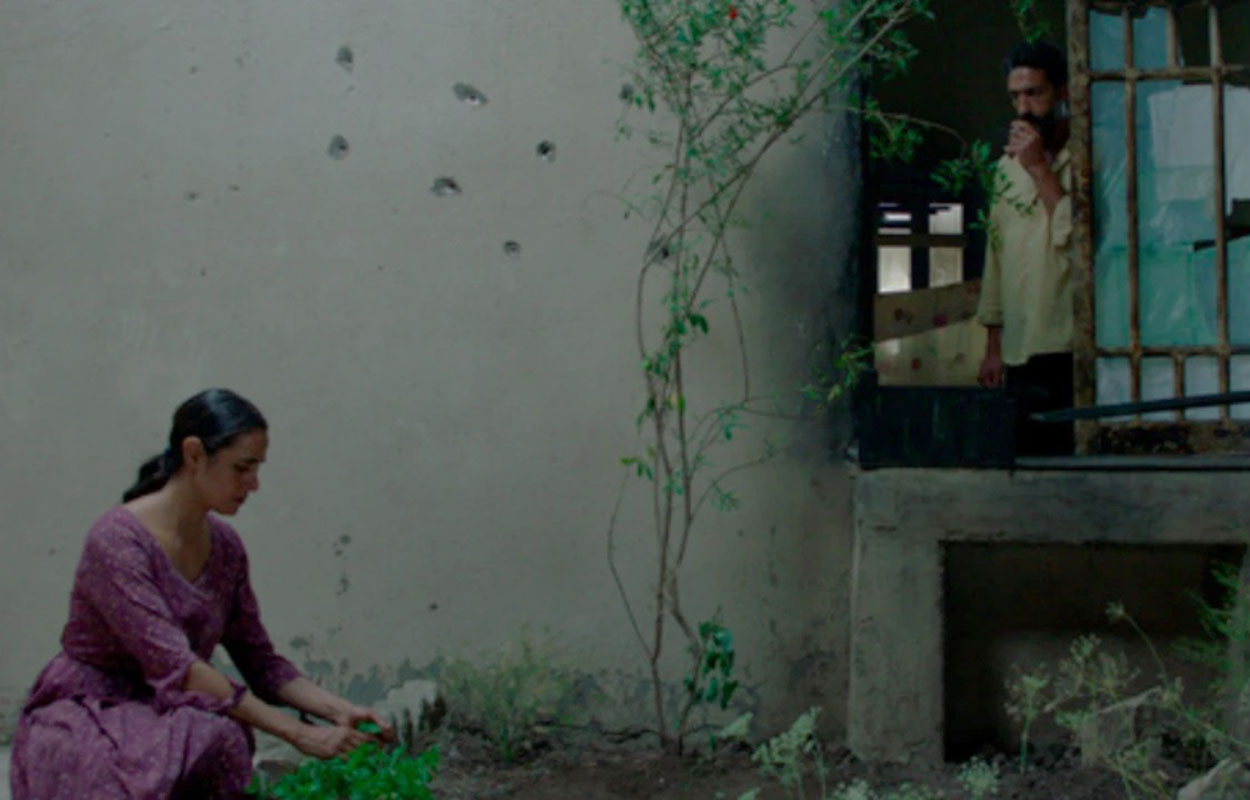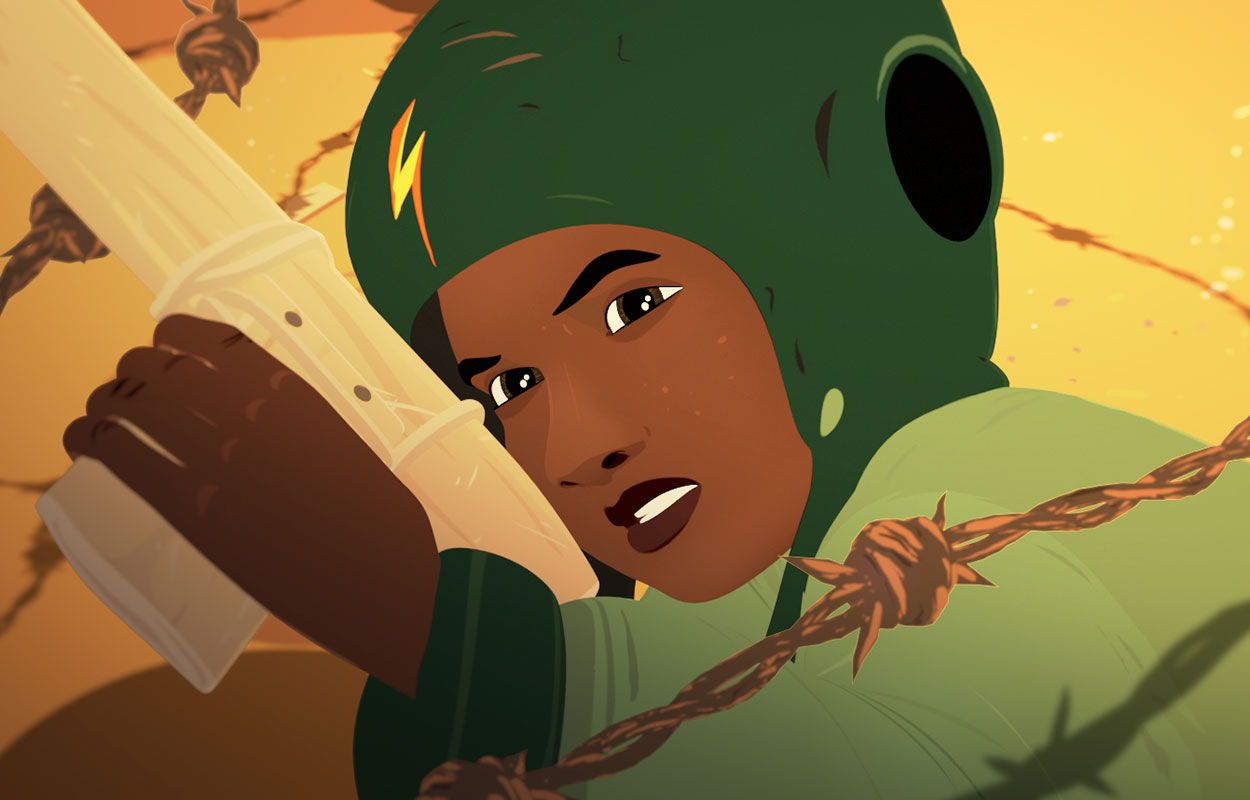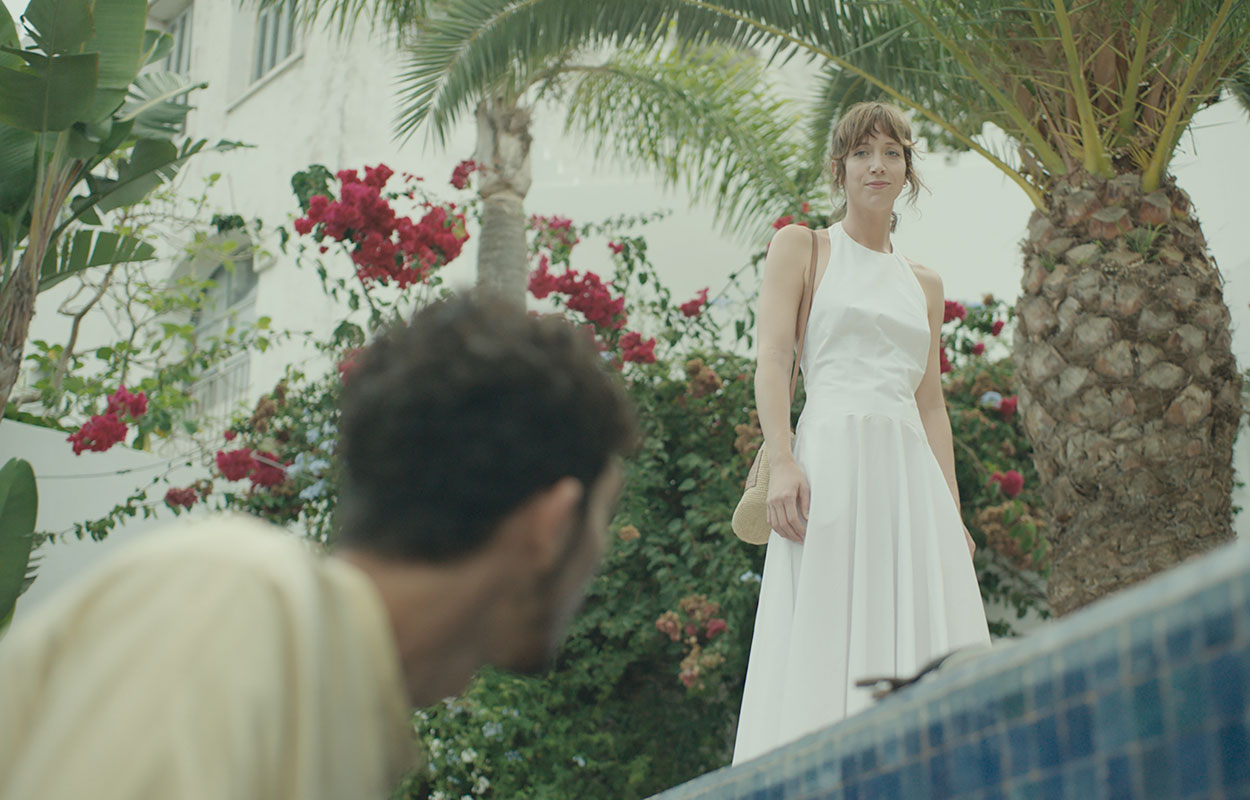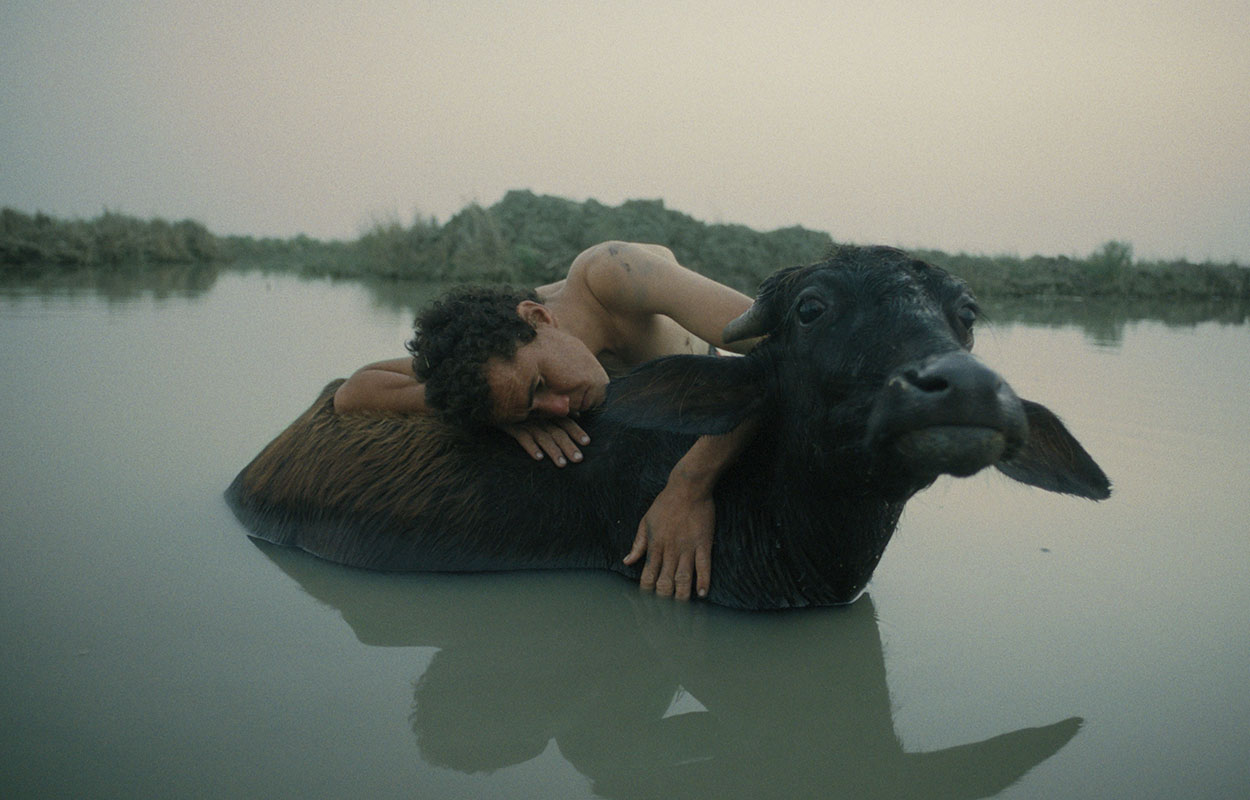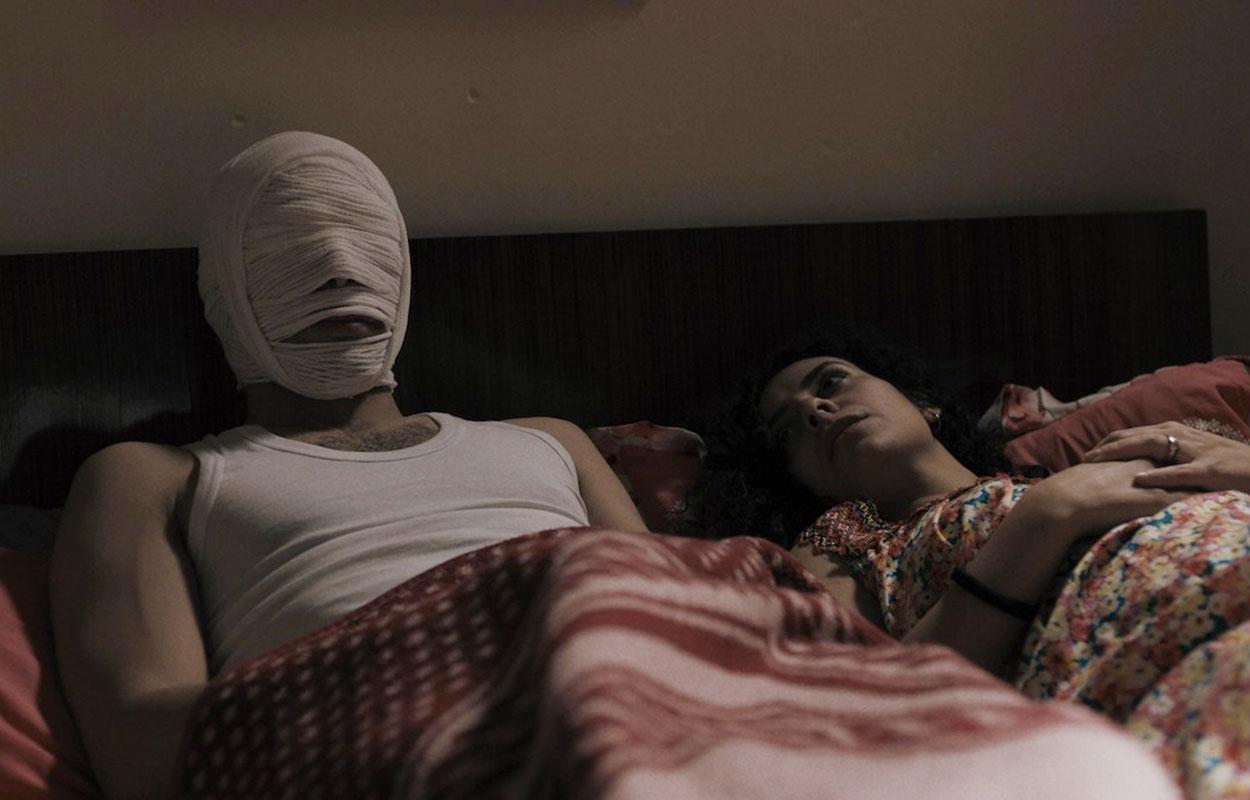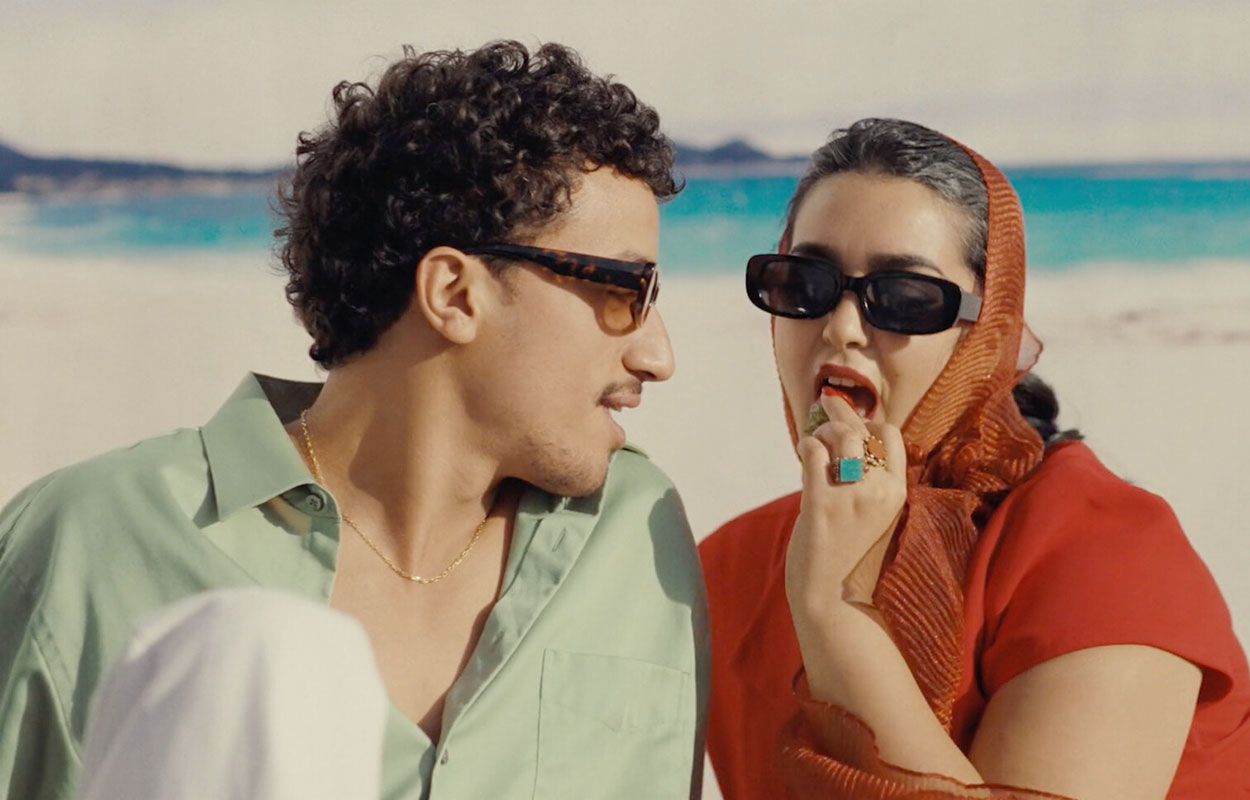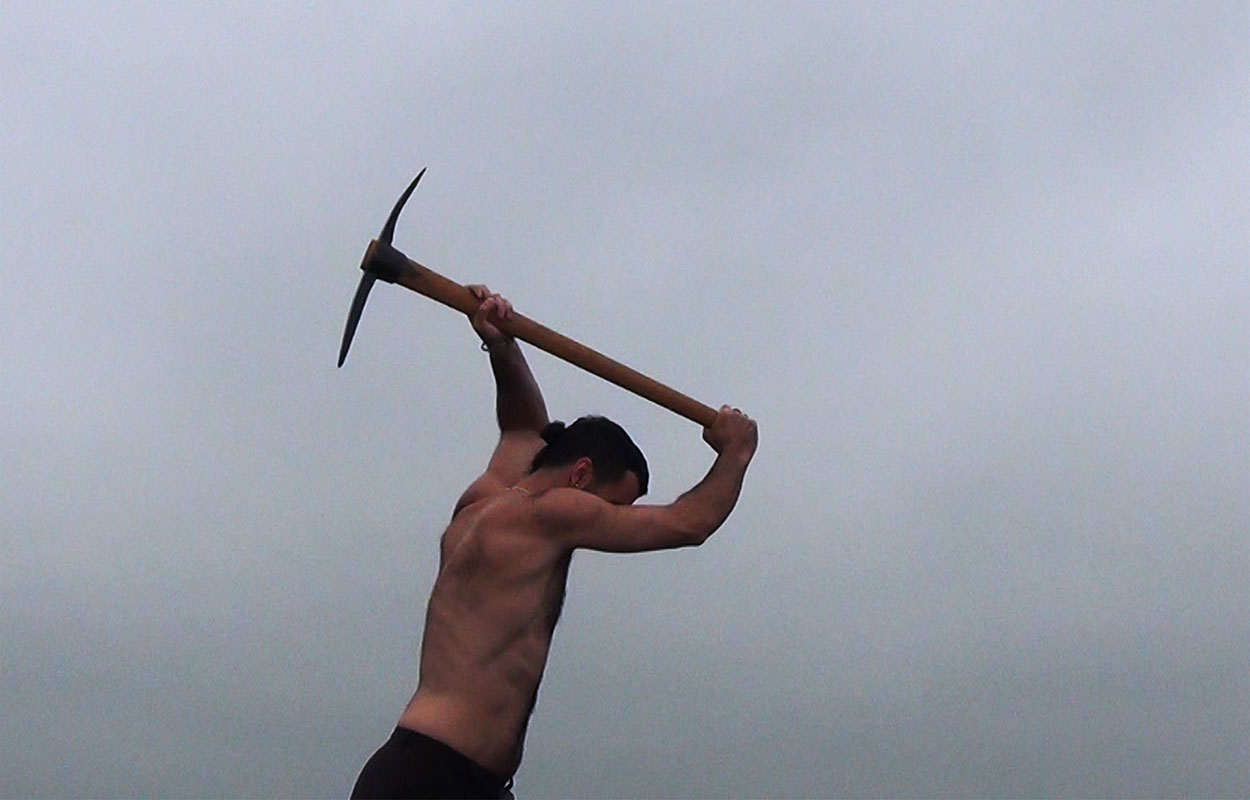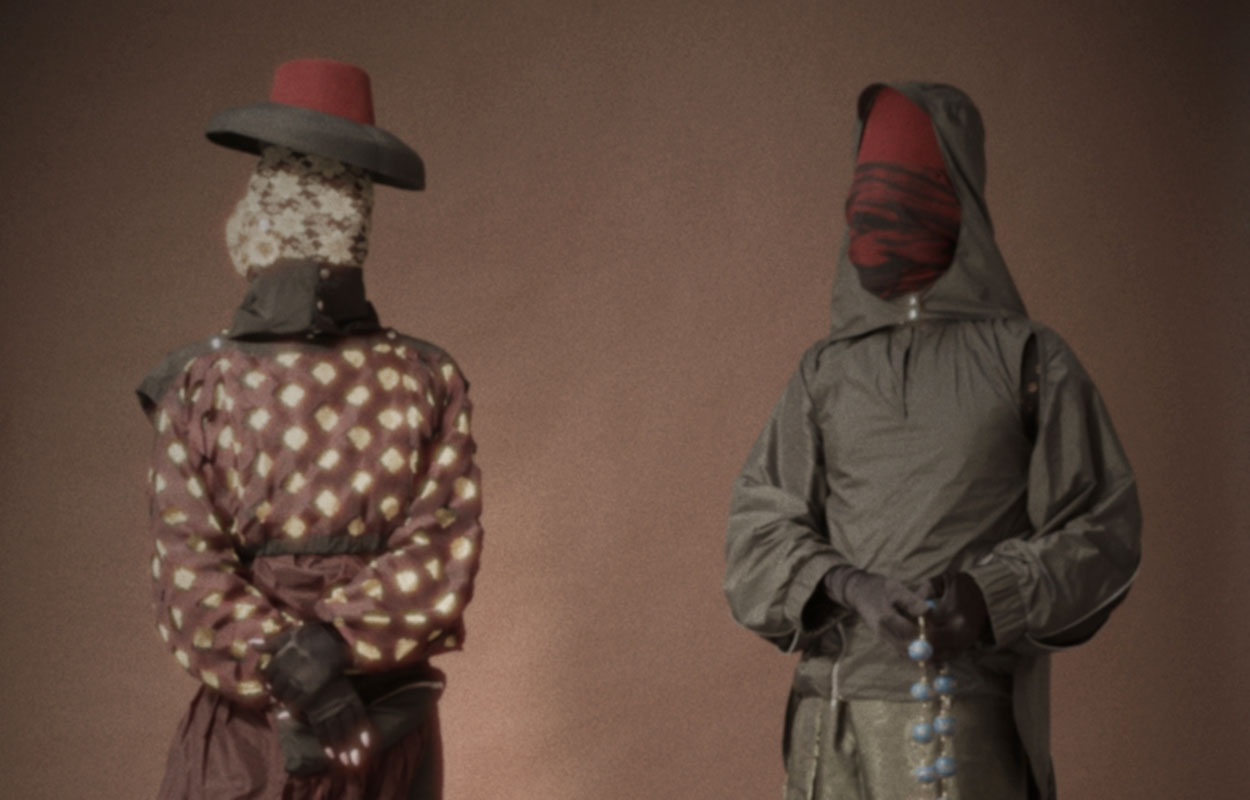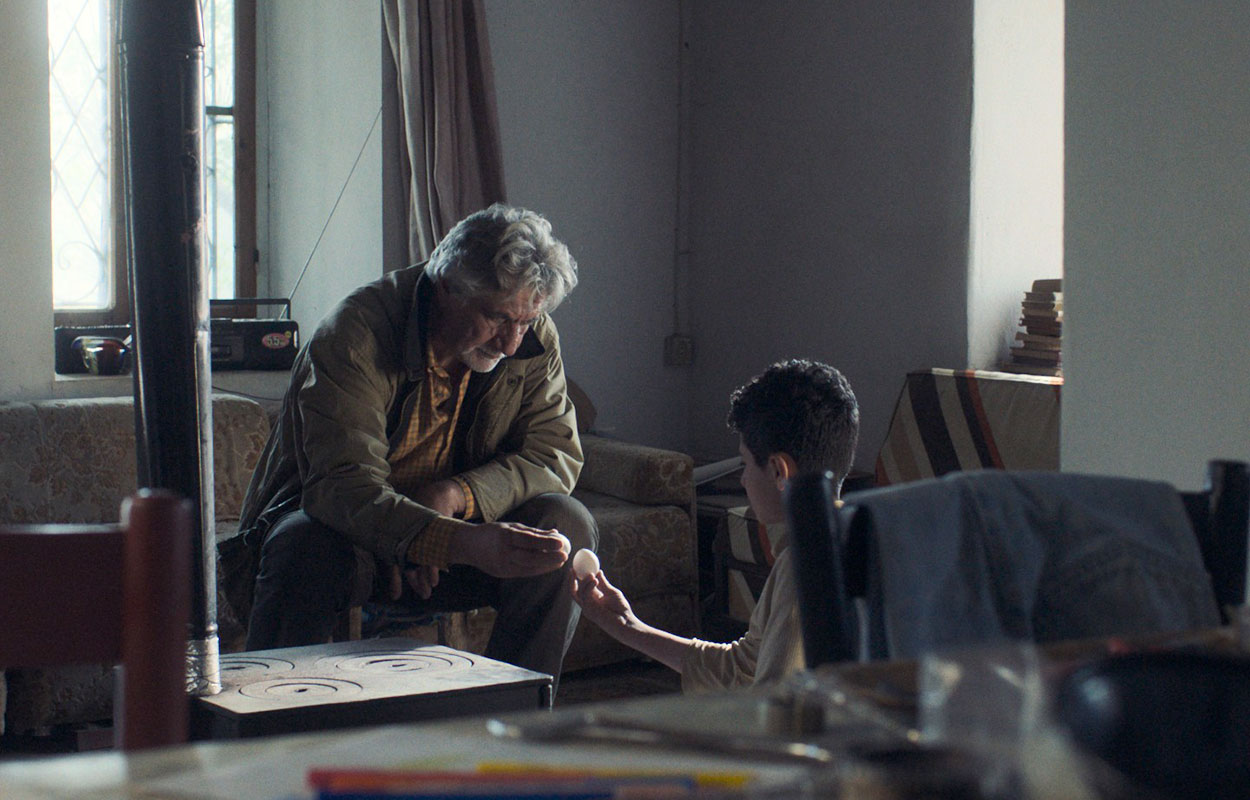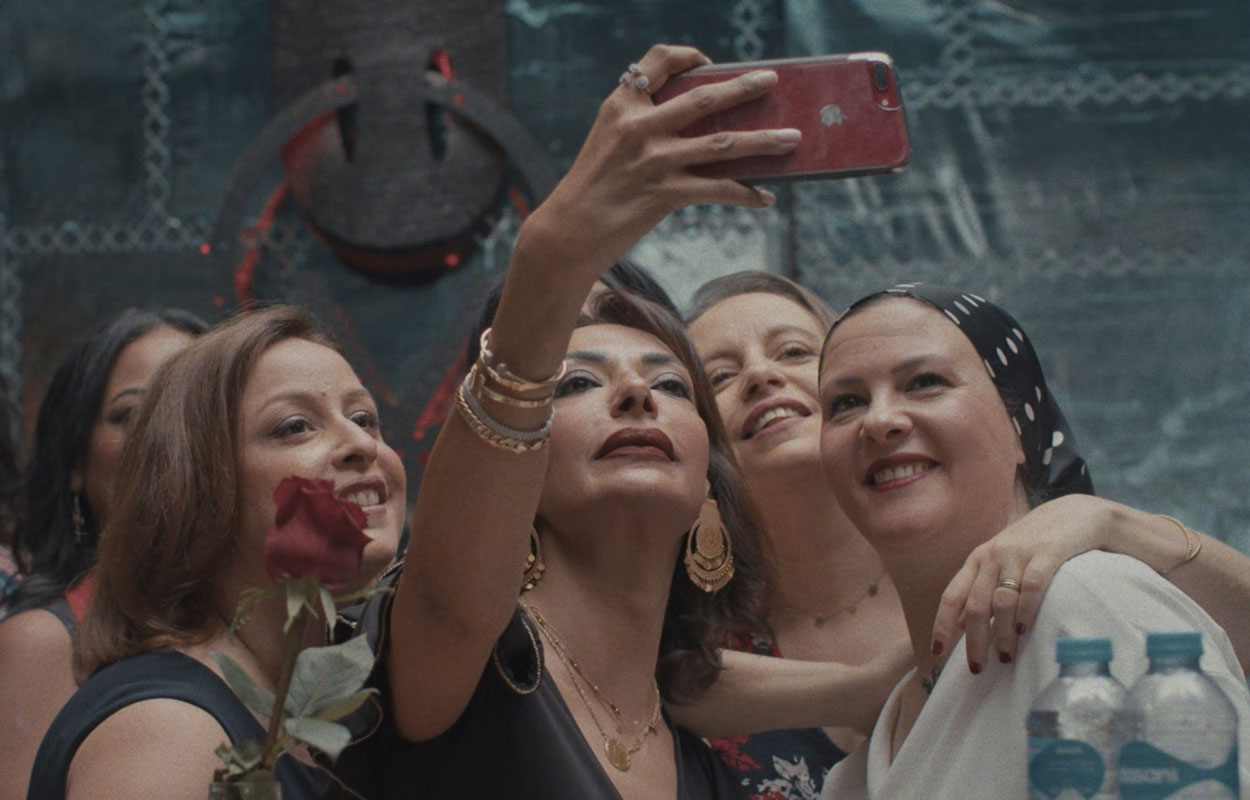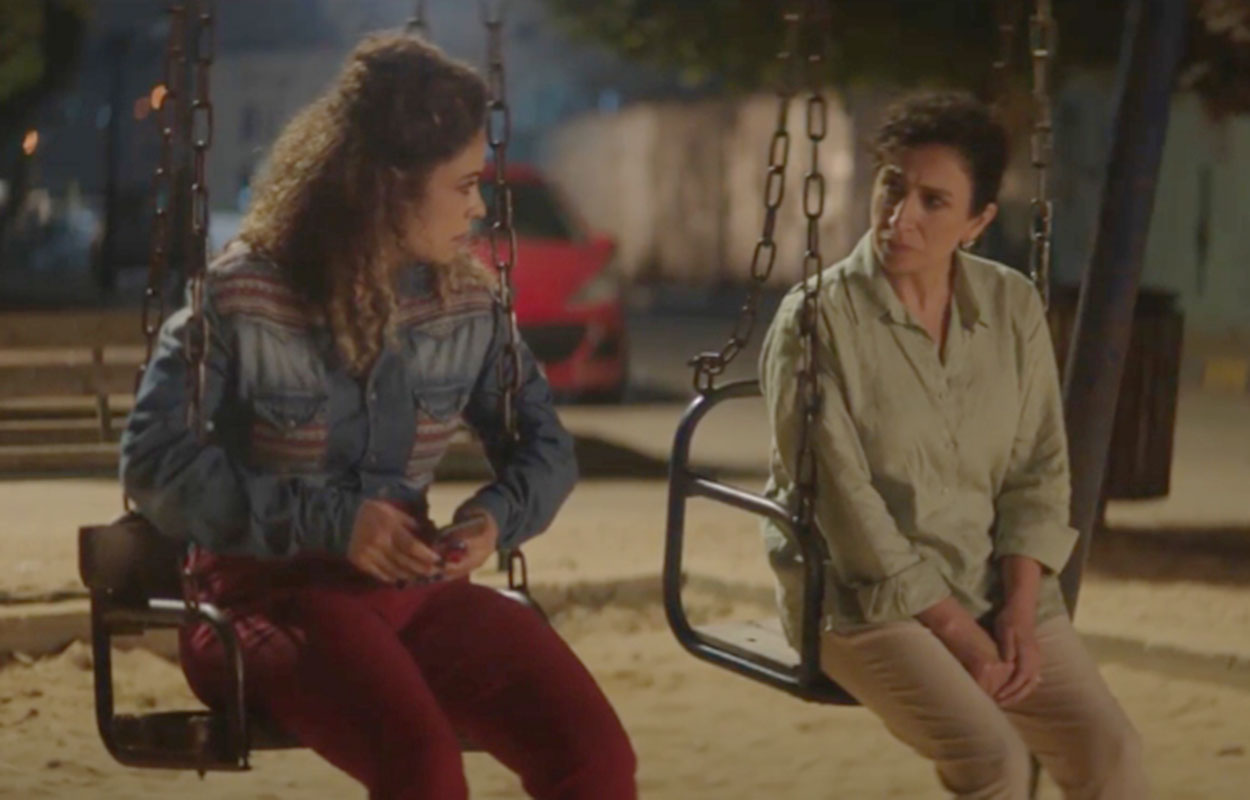
ALFILM, now in its 17th edition, stands on the cusp of adulthood. It comes of age in dire times, when many of the principles and foundations once thought inviolable are being called into question: from the sanctity of human life to the basic tenets of freedom of expression. The Arabic-speaking region and its diaspora communities, in particular, have become a backdrop against which these very foundations are being tested to their limits; sites where the normalization of dehumanizing discourses and practices has taken hold as commonplace: genocidal assaults in Sudan and Gaza, the ongoing bombardment of Lebanon and the displacement of hundreds of thousands from its southern regions, alongside a surge in repressive measures, ecological crises, and economic inequalities fuelled by wars, imperial interventions, deep-seated corruption and neoliberal politics.
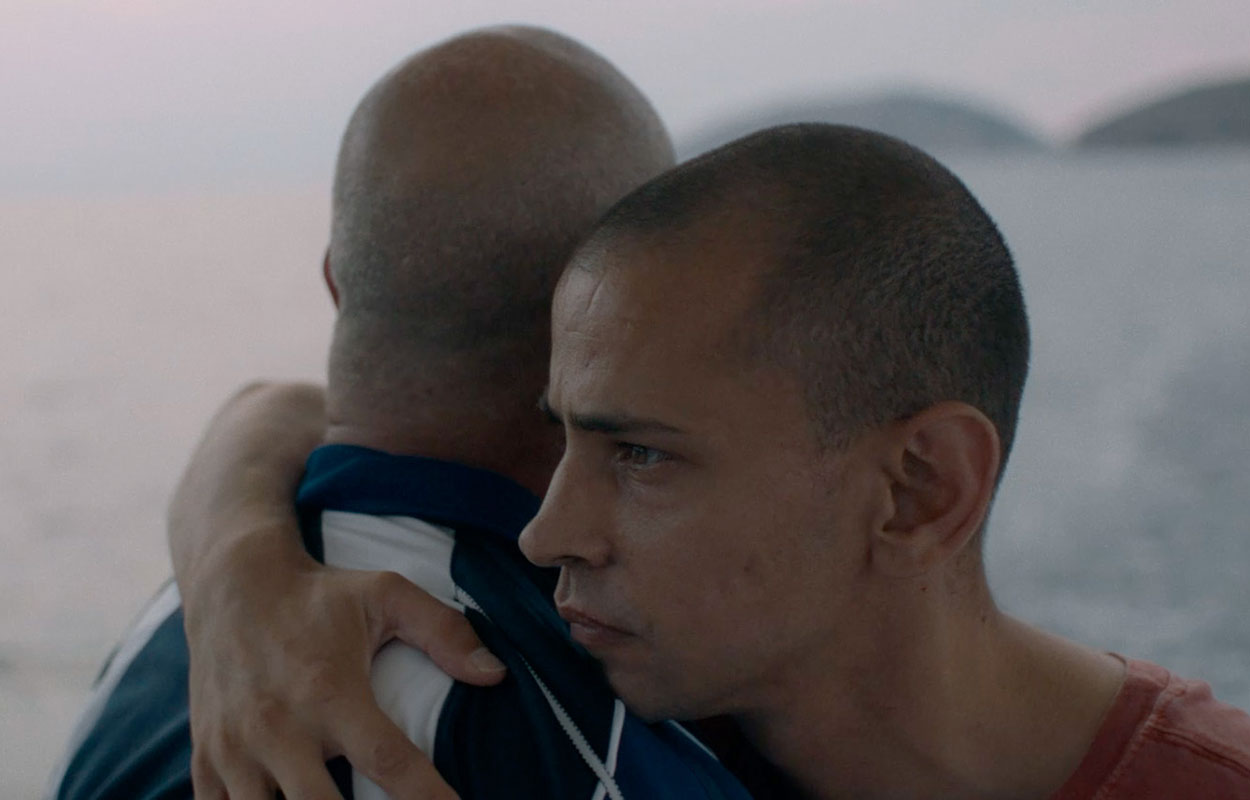
The films in this year’s Selection bear the marks of grief, anxiety, frustration, and disillusionment with the current state of the world. They contend with the fragility of grand narratives and schemas of being that, long left unquestioned, have driven life itself to the edge—sanctioning heinous forms of violence under the guise of what is called “progress,” while reinforcing racial, gendered, and economic hierarchies. And they grapple with the deep and lasting effects the latter leave on the intimate and the personal: on family ties, bonds of love, attachments to place, time, history, and to one’s own body. In doing so, they carve out ways of living against death, of resisting a violence unbound, and of nurturing forms of restoration among ruin and rubble.
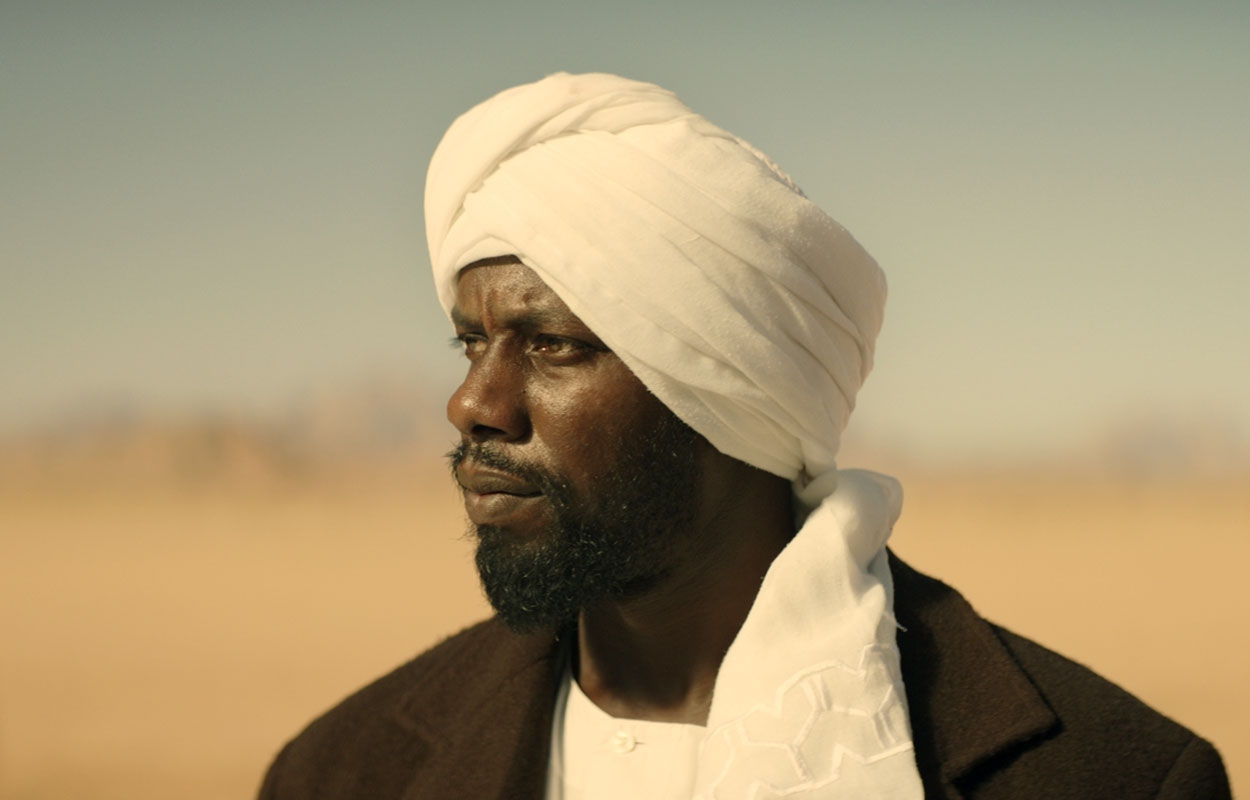
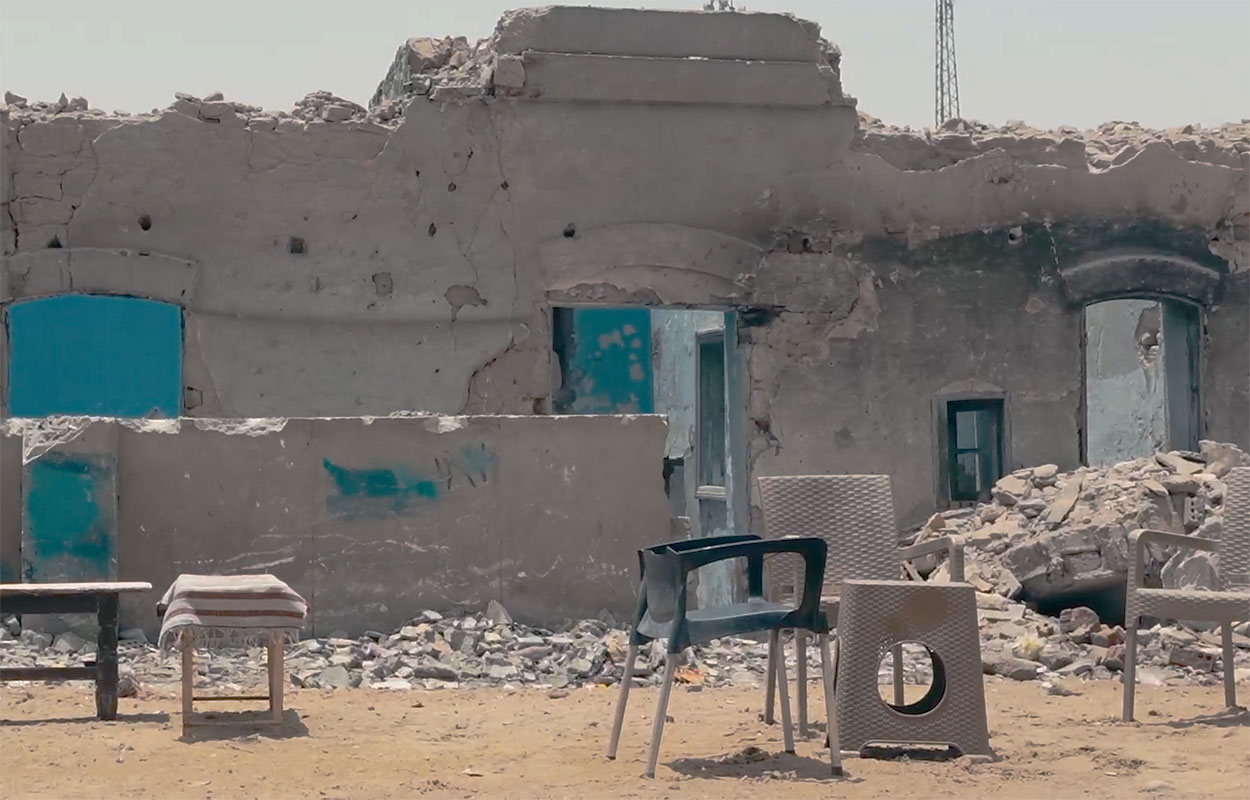
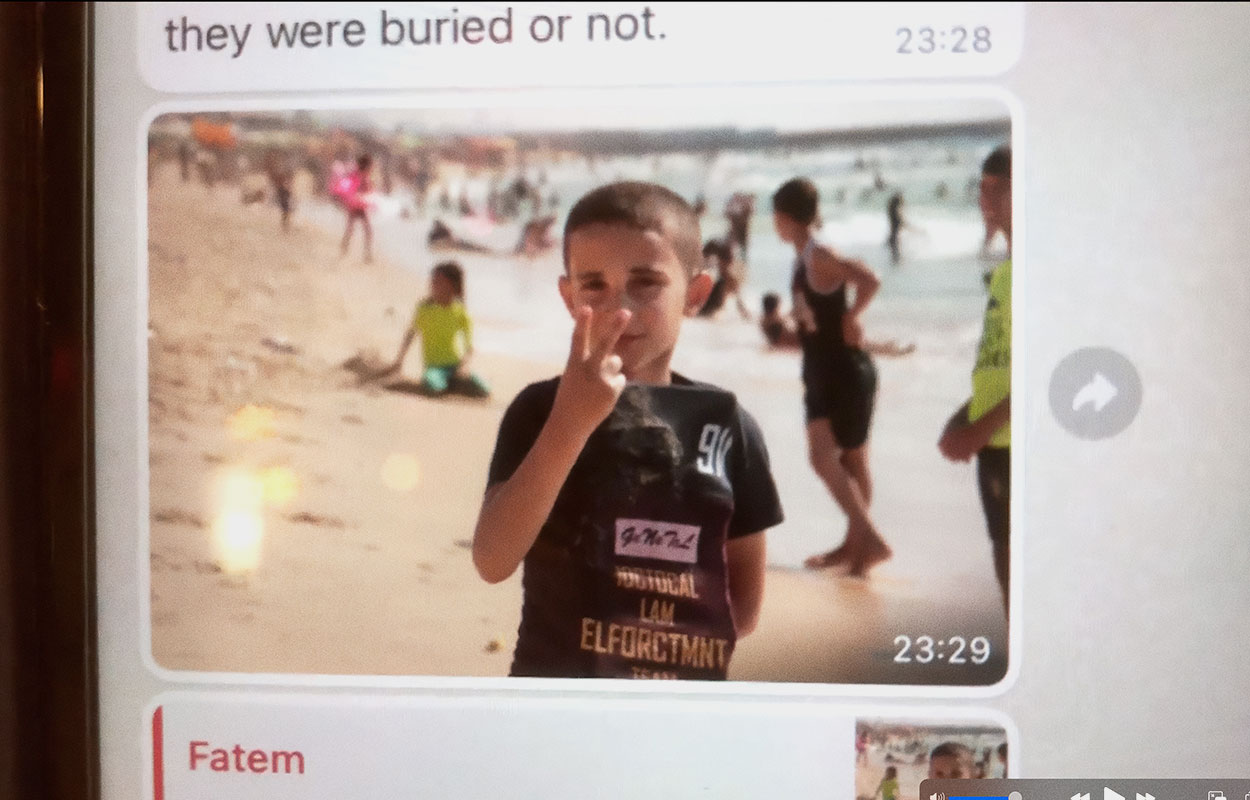
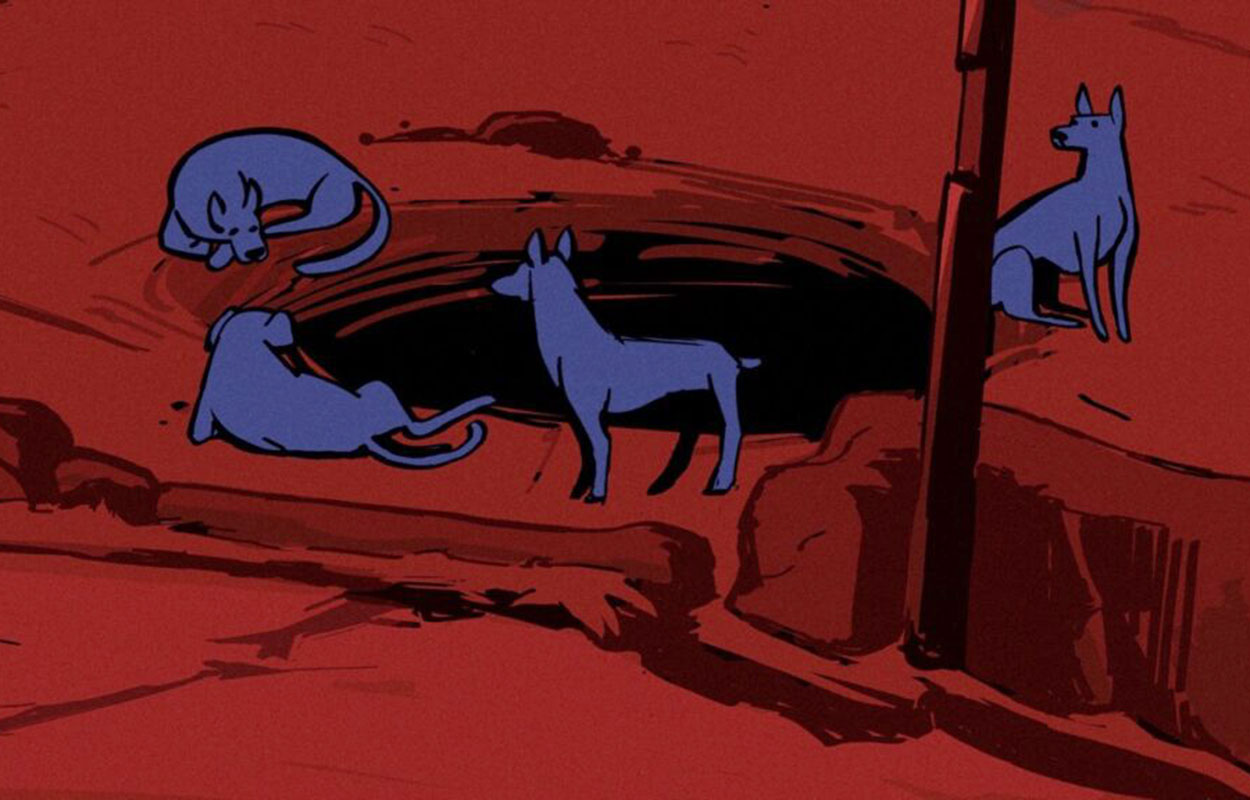
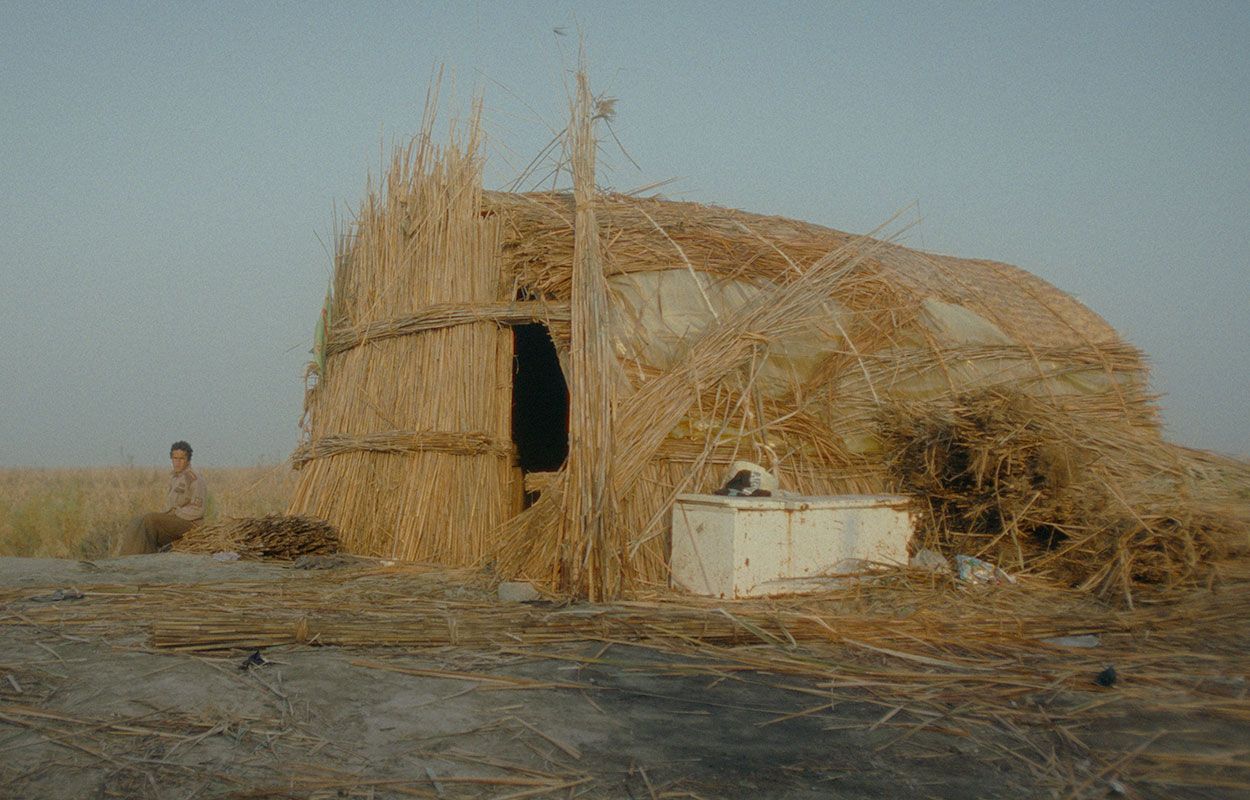
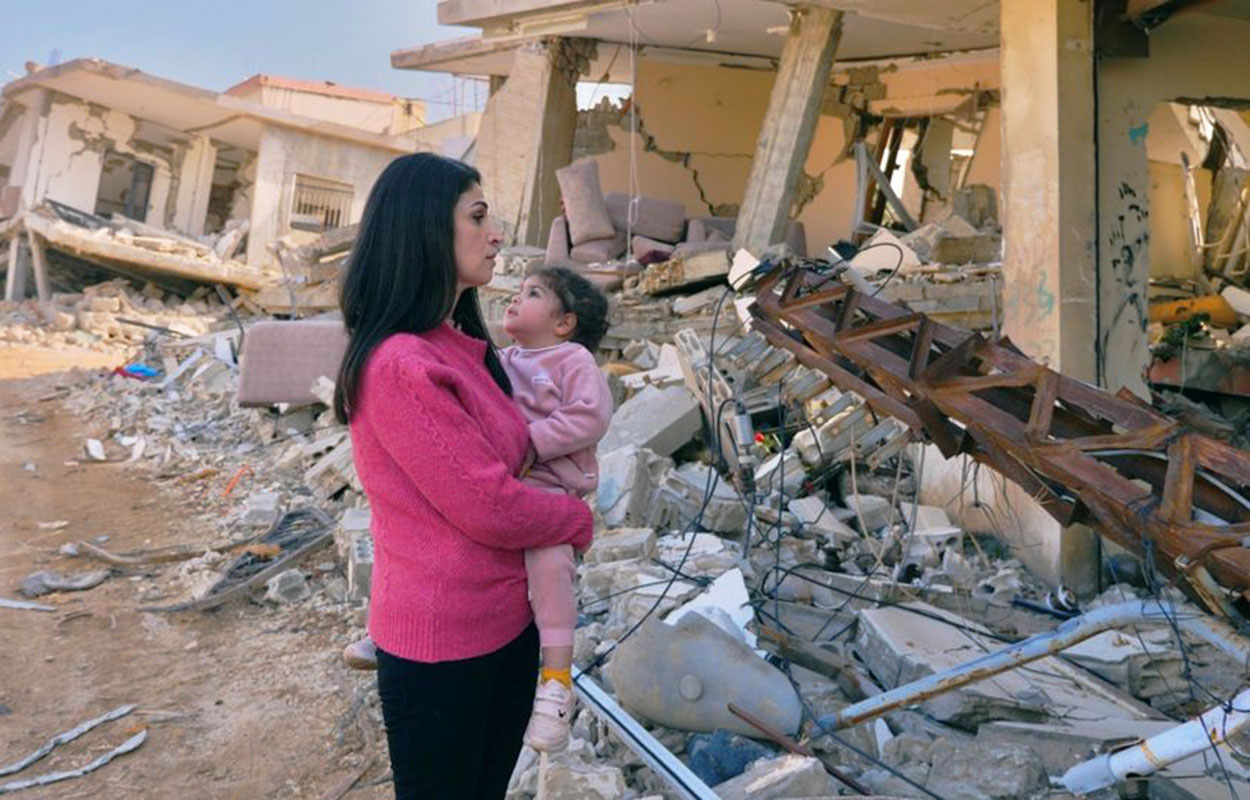
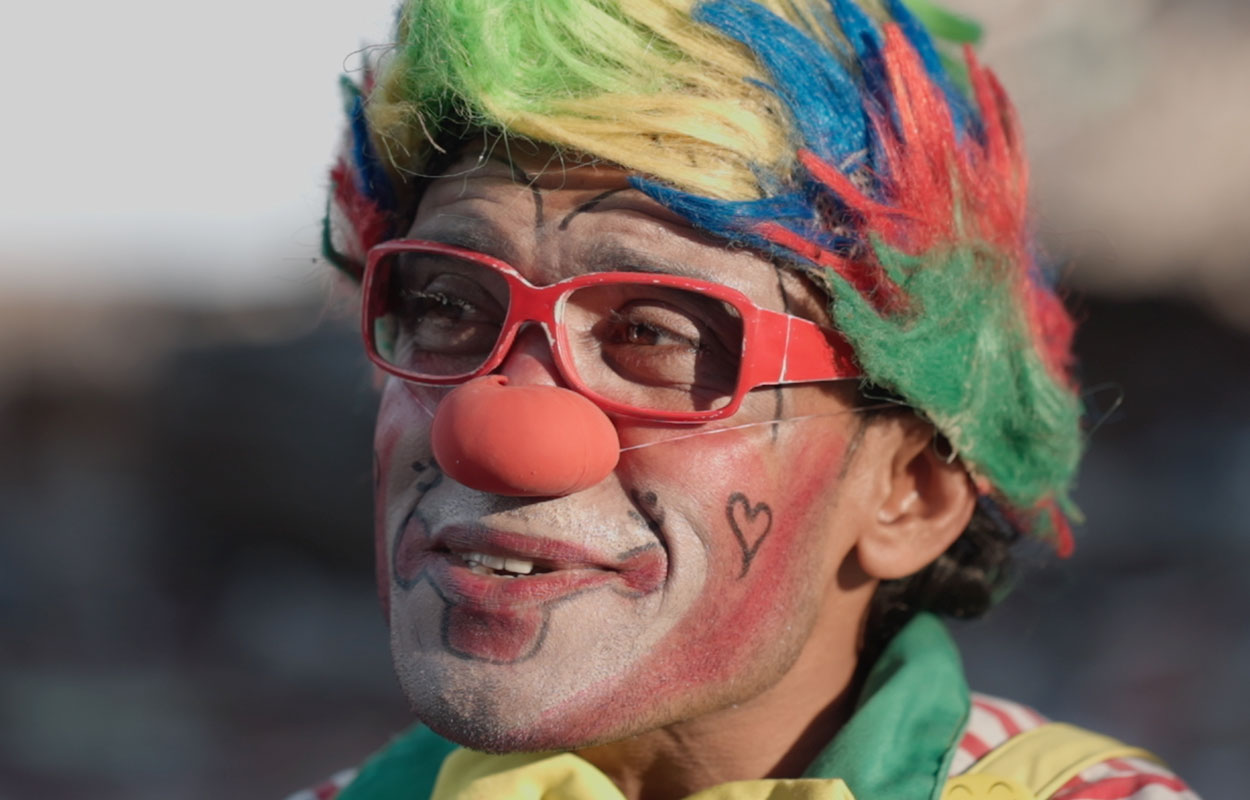
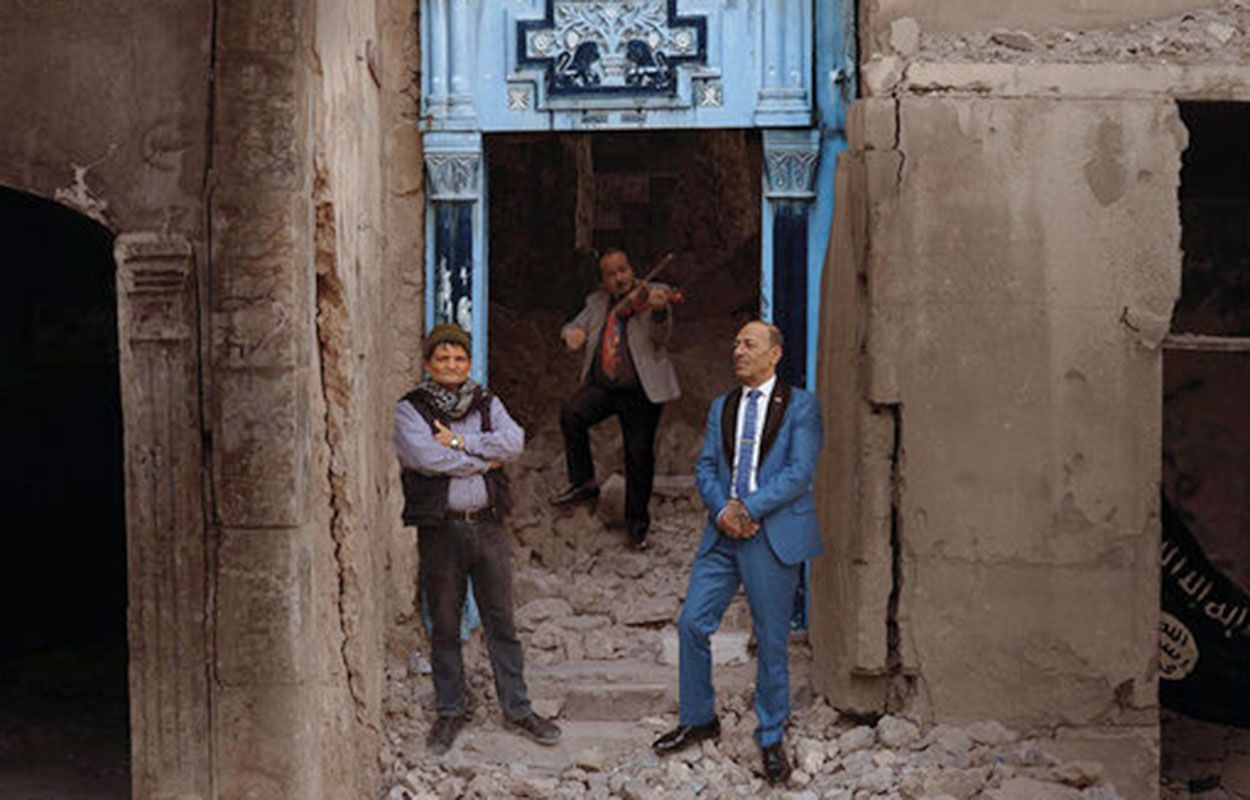
Tales of the Wounded Land by Abbas Fahdel and The Lions by the River Tigris by Zaradasht Ahmed are both poignant accounts of the art of survival—the former in southern Lebanon, the latter in Mosul, northern Iraq. They bear witness to a stubborn insistence on the possibility of a future, as homes are reduced to rubble and memories are stripped of their tangible traces. In such conditions, restoration and renewal become imperatives, acts of dignity and of fidelity to life itself. Fatma Hassona’s unwavering smile in Put Your Soul on Your Hand and Walk by Sepideh Farsi, and the jokes and songs of performer Aloosh in The Clown of Gaza by Abdulrahman Sabbah, are not merely markers of resilience under the weight of the atrocious realities of the assault on Gaza; they also gesture toward the performativity of survival in times of ultimate loss: when unjust death becomes ordinary, to enact life is a rebellious act, through which the doomed reclaim its sanctity.
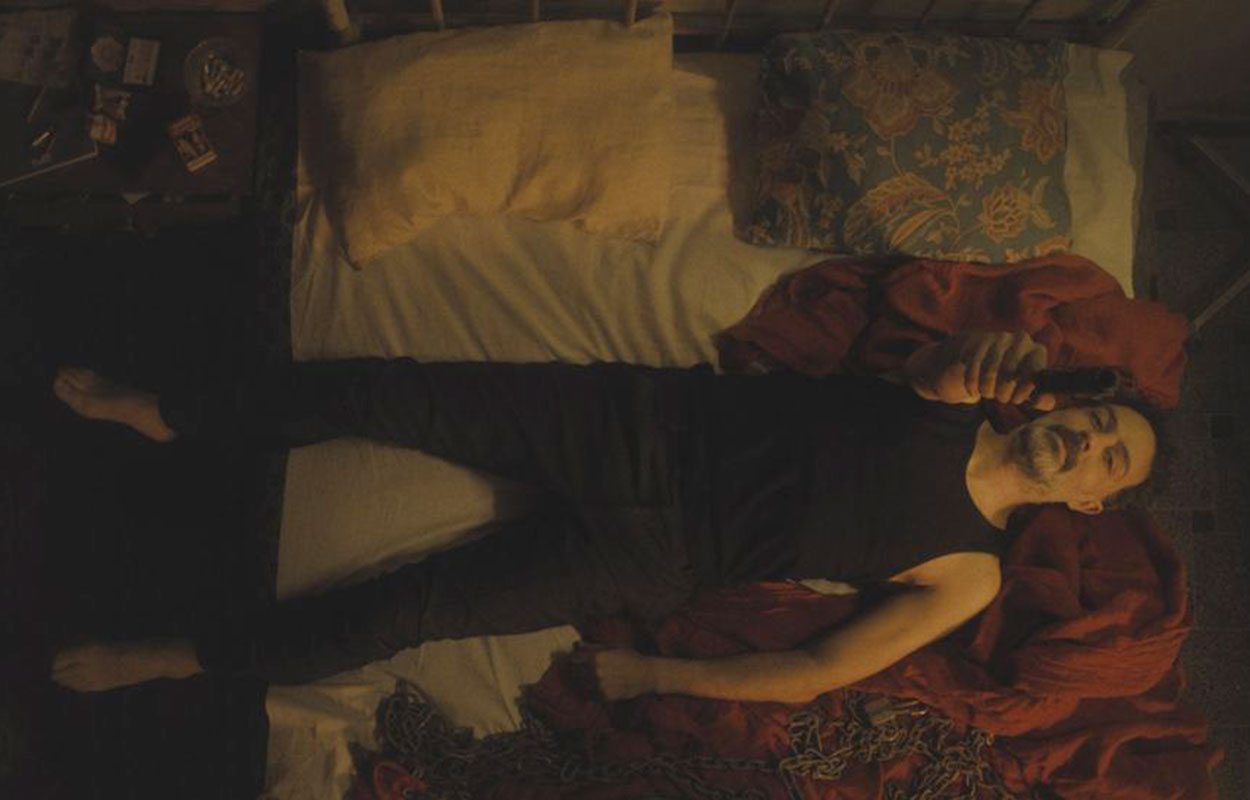
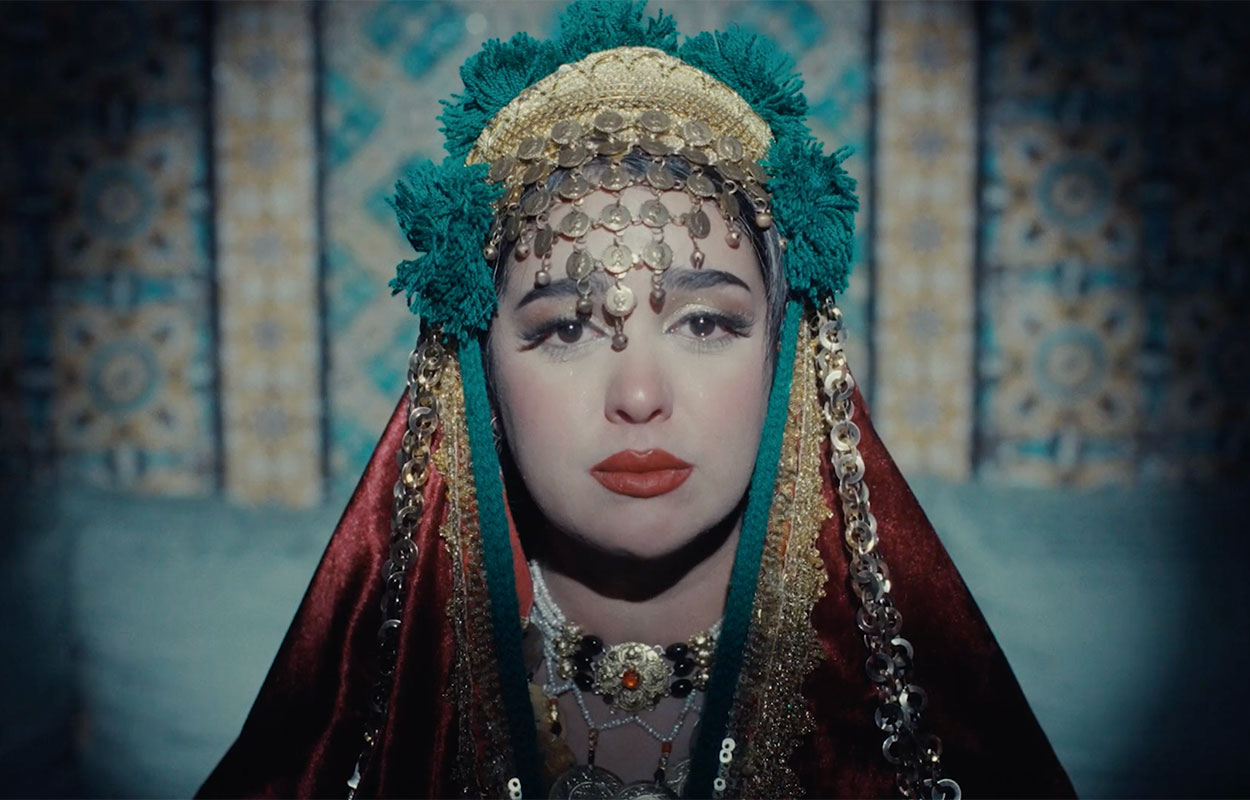
Why Do I See You in Everything? by Syrian filmmaker Rand Abou Fakher poetically interrogates the afterlives of the destruction of home in exile, while also tracing how comradeship can become a means of remaking home and holding on to life. Home Movie on Location by German-Egyptian filmmaker Viola Shafik, in turn, reckons with the labour of making home and forging belonging across places, languages, and in relation to the art of cinema. Exile by Mehdi Hmili and Roqia by Yanis Koussim confront the haunting of unredressed violence in their respective landscapes—post-revolutionary Tunisia and post-civil war Algeria—tracing its lingering imprint on the present while gesturing toward a future in which injustice can no longer remain unaccounted for. In doing so, both films repurpose genre conventions—thriller in Exile and horror in Roqia—reshaping them in accordance with the aesthetic and historical sensibilities that mark their respective societies.
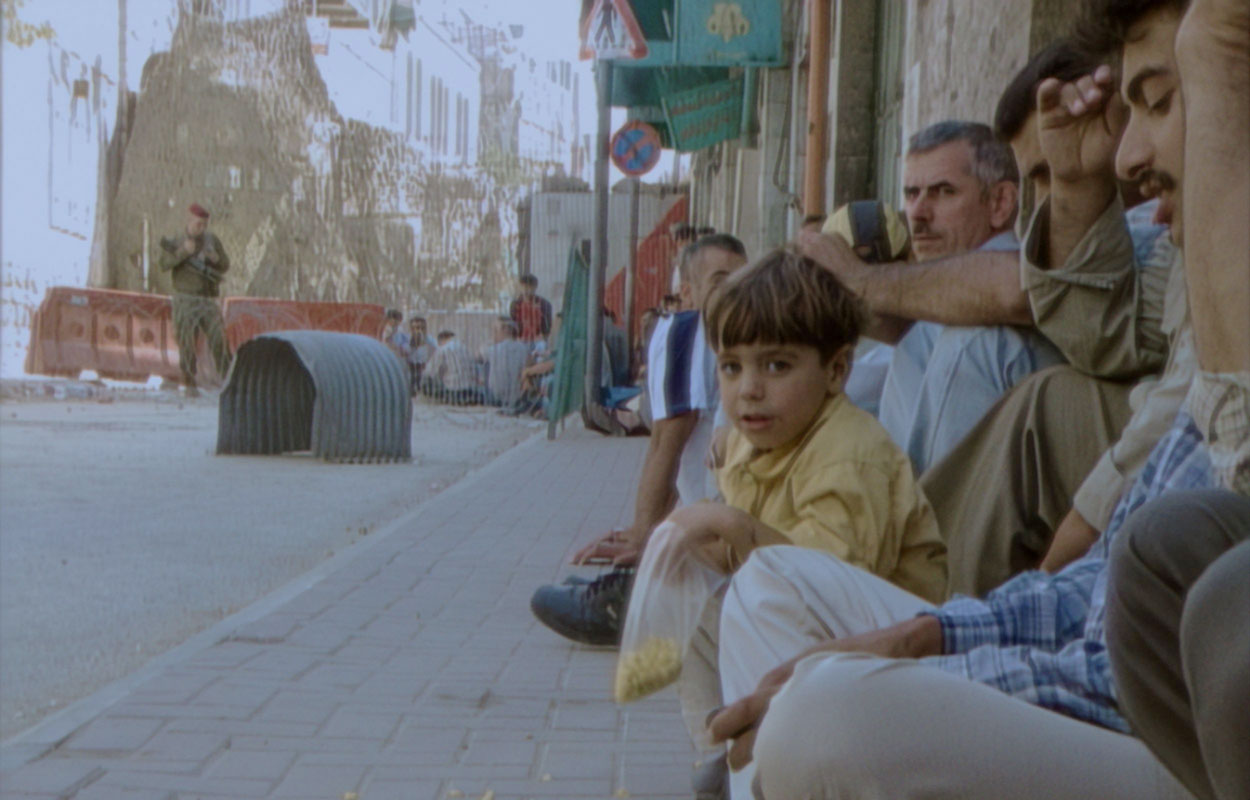
Some films resort to history in ways that counter oblivion and reframe the present in light of the conditions that have shaped its (im)possibilities. Palestine 36 by Annemarie Jacir recalls an often overlooked chapter of Palestinian resistance against occupation and dispossession, refocusing attention on the colonial formations that preceded and prepared the ground for the Nakba, as well as on their ongoing structural embeddedness in the lives of Palestinians today. El-Sett by Marwan Hamed revisits the legacy of an extraordinary woman, Umm Kulthum (1898-1975), whose life and artistic trajectory illuminate Egypt’s entanglements with modernity, defeat, and forms of resilience.
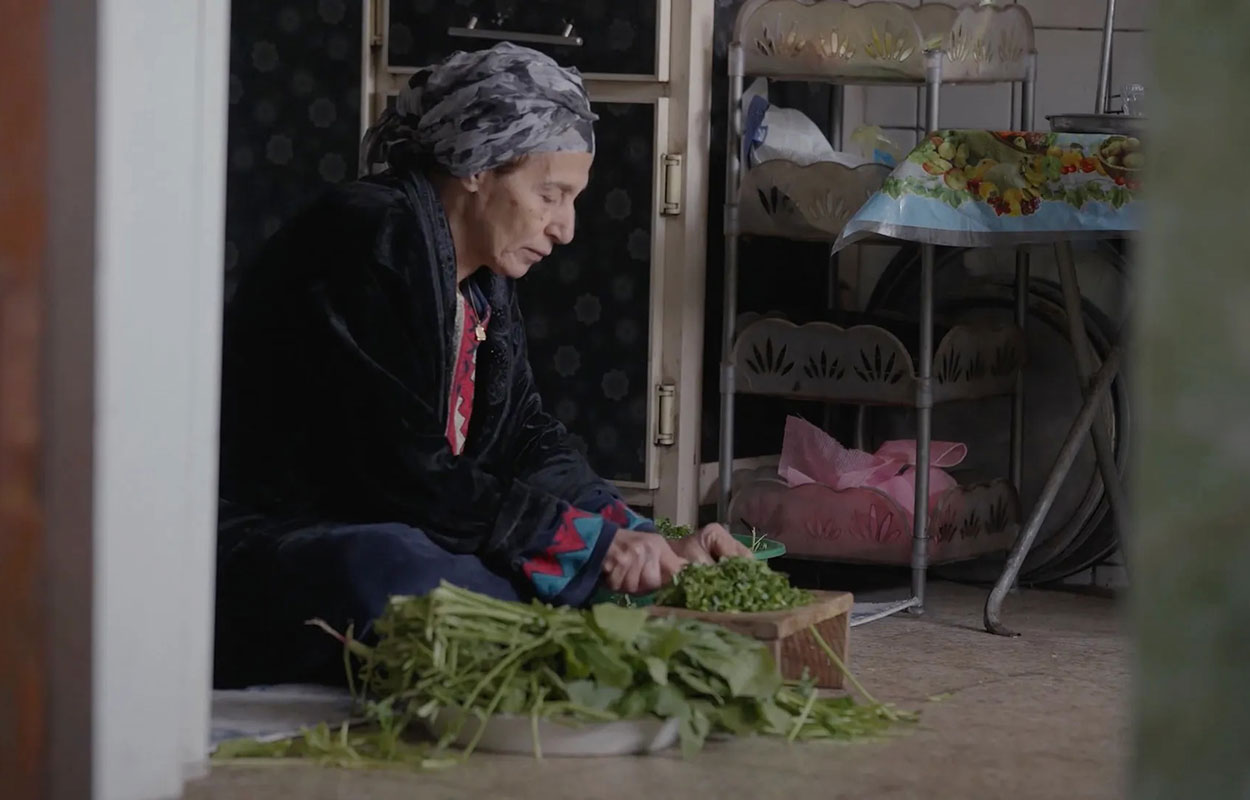
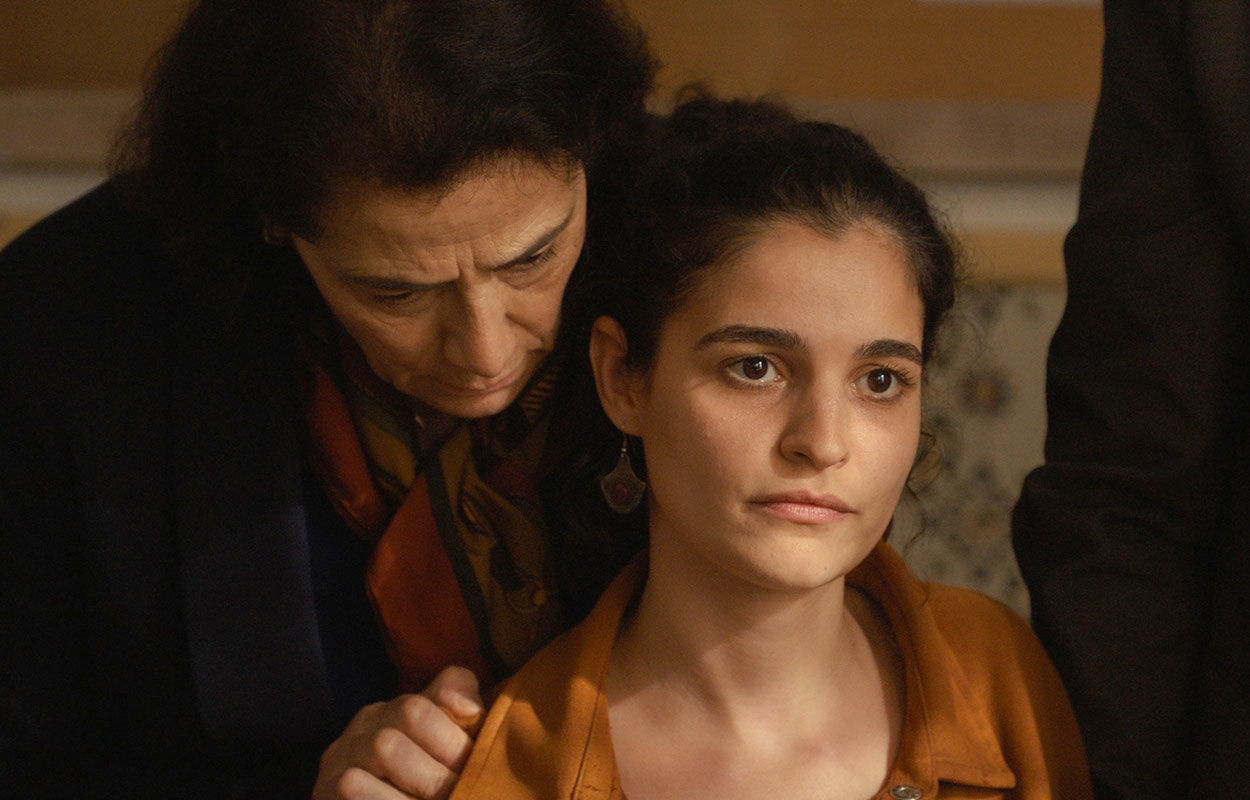
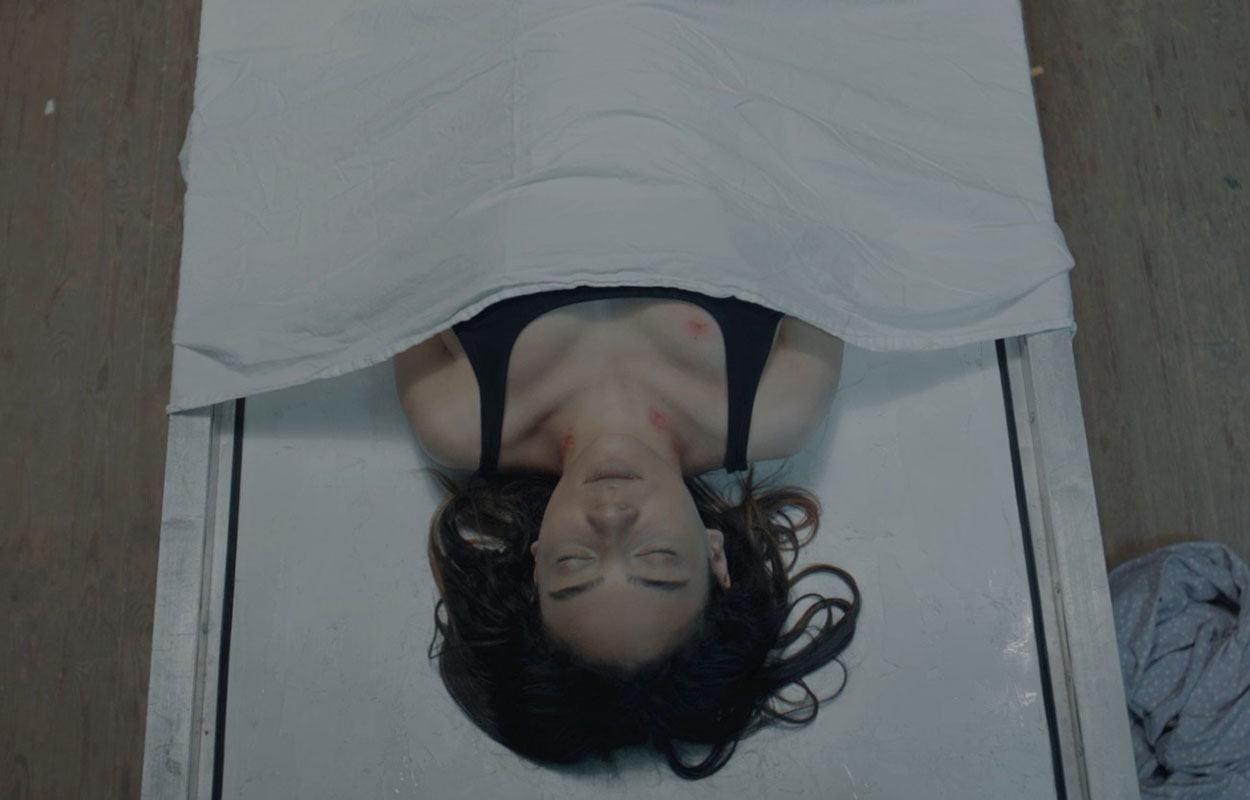
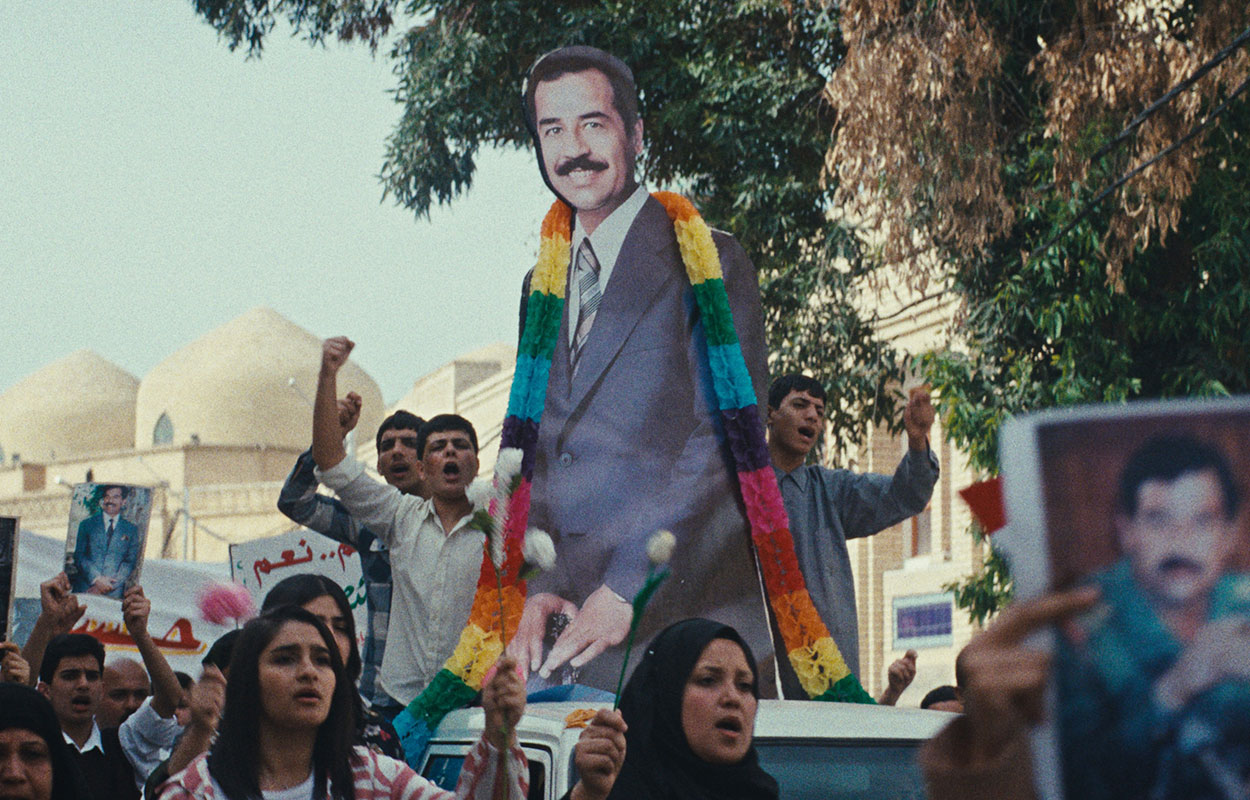
The President’s Cake by Hasan Hadi refocuses, through the perspective of a young girl, on Iraq under the tyranny of Saddam Hussein, while also tracing what it meant to live in a country shaped by sanctions and severe shortages of resources—measures that ultimately entrenched repressive regimes and intensified the suffering of their populations. Flana by Zahraa Ghandour invites us to reckon with the devastating effects of political oppression and subsequent invasion, as shaped by gendered structures and inscribed in the intimate dimensions of being a woman, tracing the stories of women in Iraq who have disappeared under mysterious circumstances.
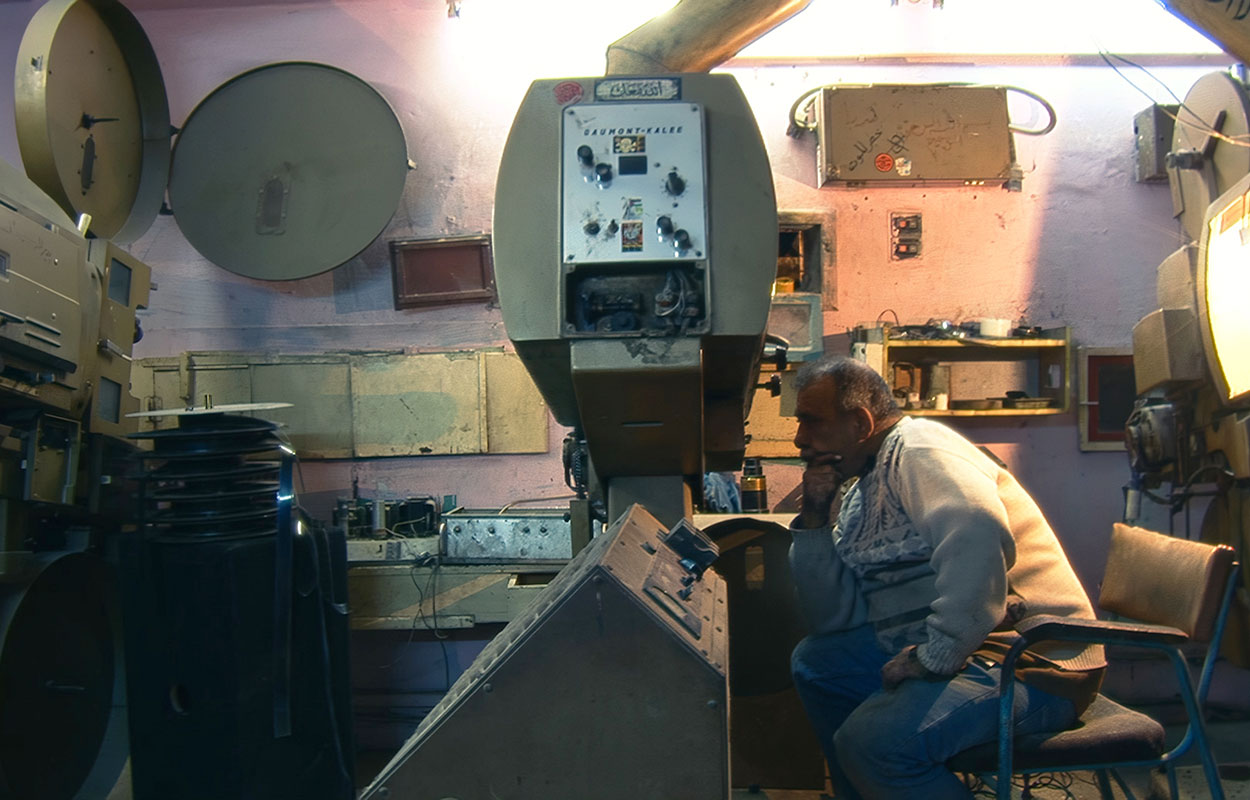
Habibi Hussein by Alex Bakri and Thank You for Banking With Us! by Laila Abbas take us to the occupied West Bank, offering insights into everyday life in Jenin and Ramallah from distinct perspectives and lived experiences. While the former deconstructs the discourse of “charity for peace” by recentring the life of a cinema worker, Hussein—whose labour and knowledge are simultaneously exploited and pushed to the margins by the very logic of that discourse—the latter foregrounds the gendered burden of navigating a society shaped by the double bind of occupation and traditions.
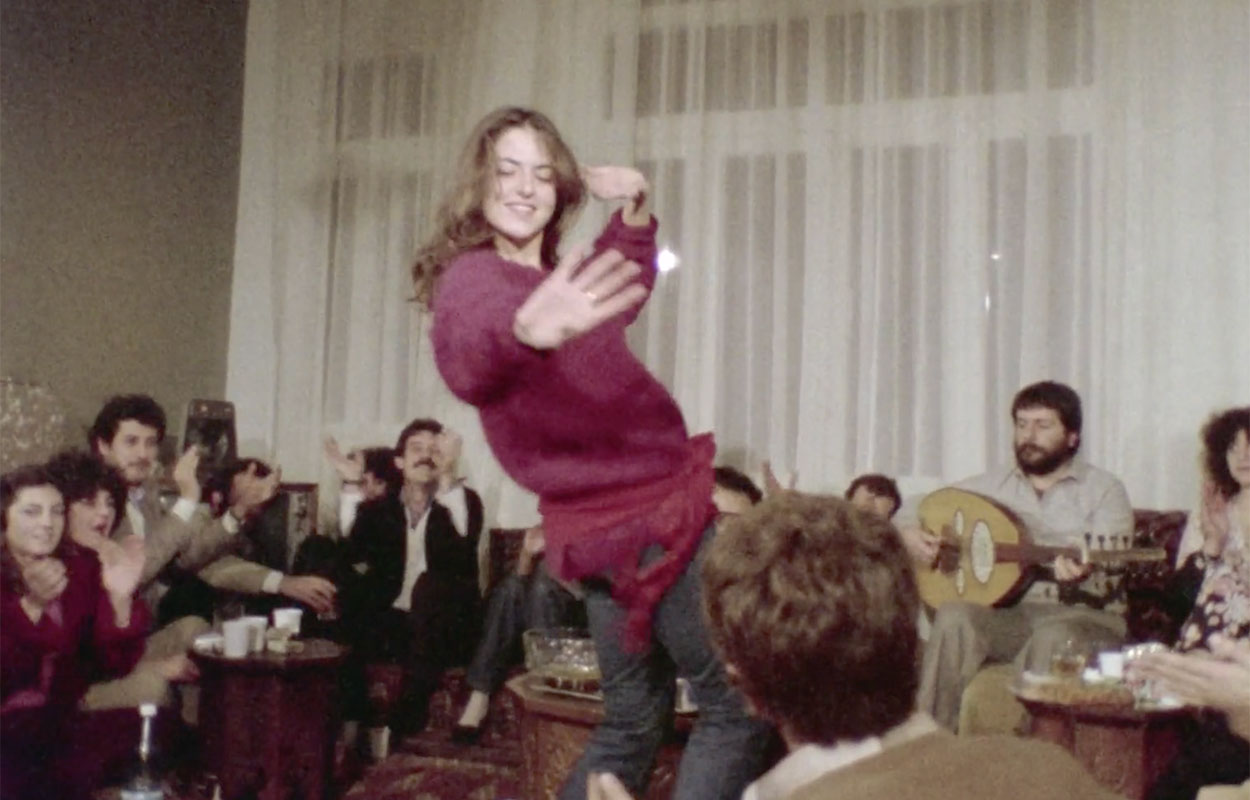
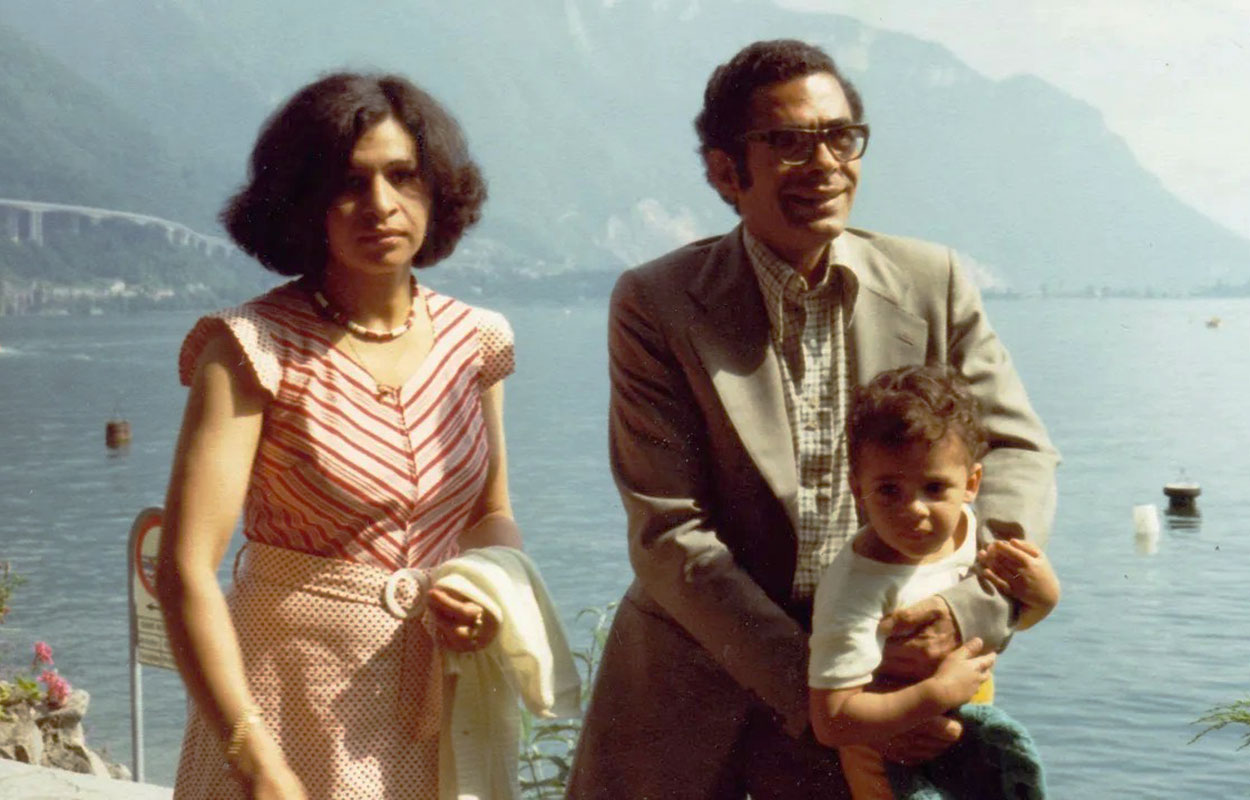
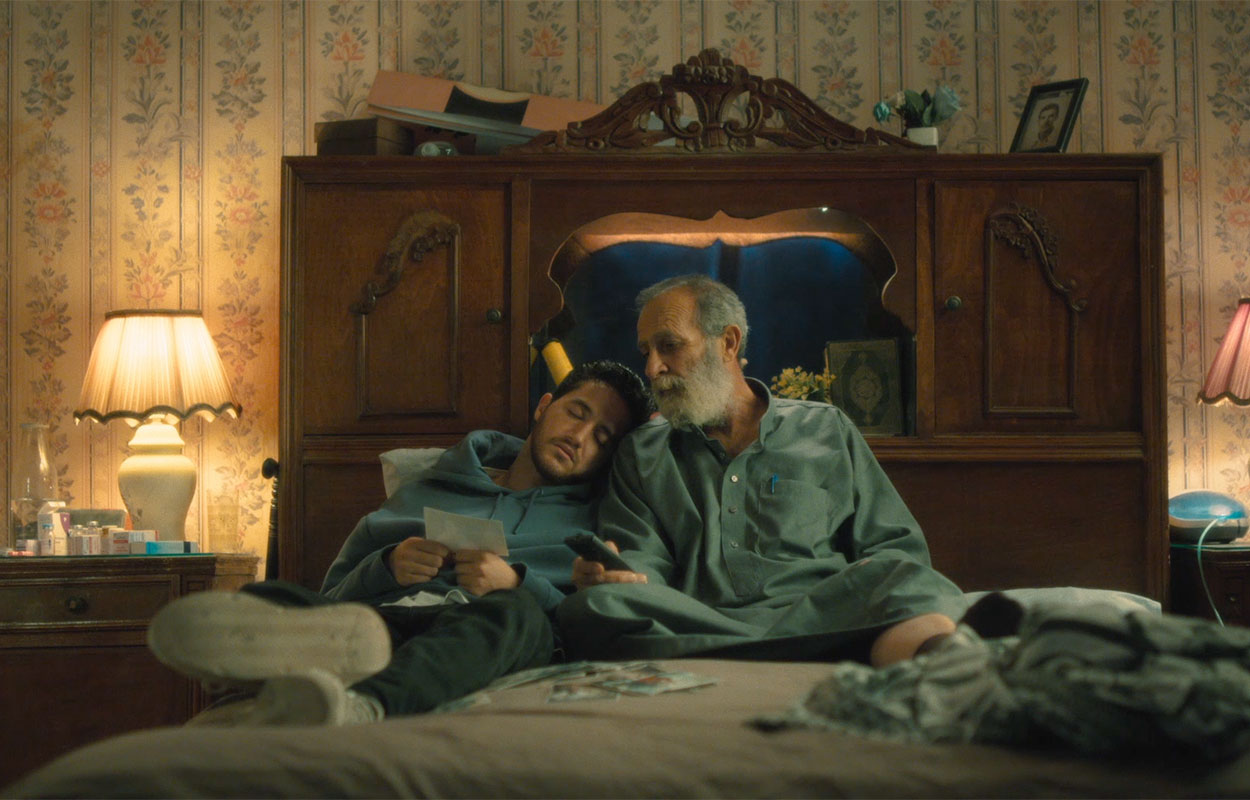
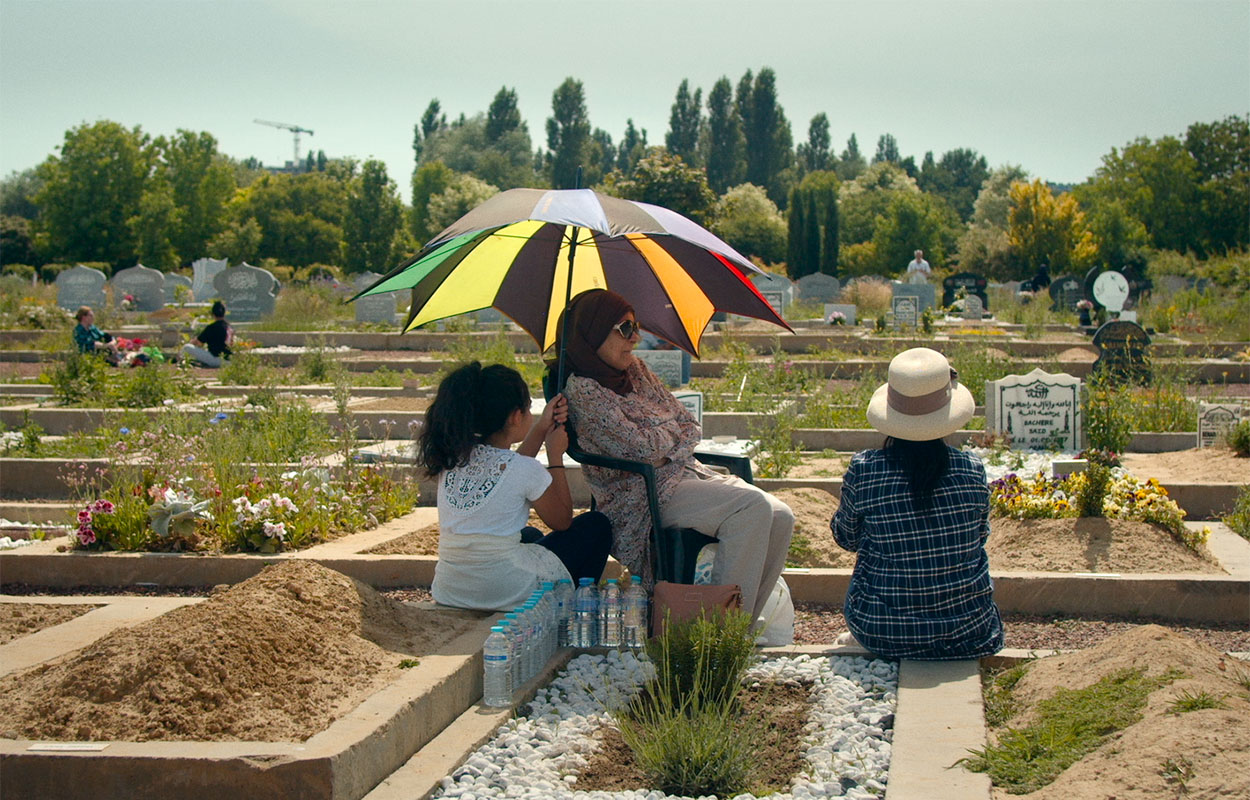
Those Who Watch Over by Karima Saïdi takes us to the brink of life, to its encounter with death, following a group of mourners from diverse backgrounds and religious affiliations in their journeys to grieve, to process loss, and to carve out meaning from the ephemerality of life. Life After Siham by Namir Abdel Messeeh from Egypt portrays the filmmaker’s attempt to imagine life after the death of his mother, repurposing the narrative of a film once planned about her that could never come to be. Weaving together recollections from family archives—with all their lapses and silences—and footage from films by Youssef Chahine, it unfolds as a deeply personal account that reexamines broader questions of migration, belonging, defeat, and oppression, and their gendered and affective structures.
This year’s Selection is the largest in the history of ALFILM. It features several other films from Morocco, Jordan, Egypt, and Lebanon, as well as three short film programmes—all works that propose innovative forms of storytelling, unpack postcolonial predicaments, socio-economic tensions, and ecological crises, and explore how these shape our experiences of living and loving, how we perceive life, and what we come to fear in death.
In addition, ALFILM honours and pays tribute to several figures who have enriched Arab cinema through their outstanding achievements and distinctive talents, foremost among them Onsi Abou Seif, the prominent art director and production designer. We also honor the memory of those who have left us: the legendary Egyptian filmmaker Youssef Chahine, on the occasion of his centenary, Egyptian filmmaker Daoud Abdel Sayed, and Palestinian actor Mohamed Bakri.
Through the various activities this year’s edition presents beyond the screenings, we seek to emphasize the festival’s function as a space for communing and (self-)empowerment. It is not enough to simply know the world as it is presented to us through cinema. Rather, we must deploy cinema as a tool for producing forms of knowledge that empower, that render life liveable and bearable.
Films of the 17th ALFILM SELECTION